Miseria Tools
Planners and checklists that turn floor depth into smarter Church upgrades.
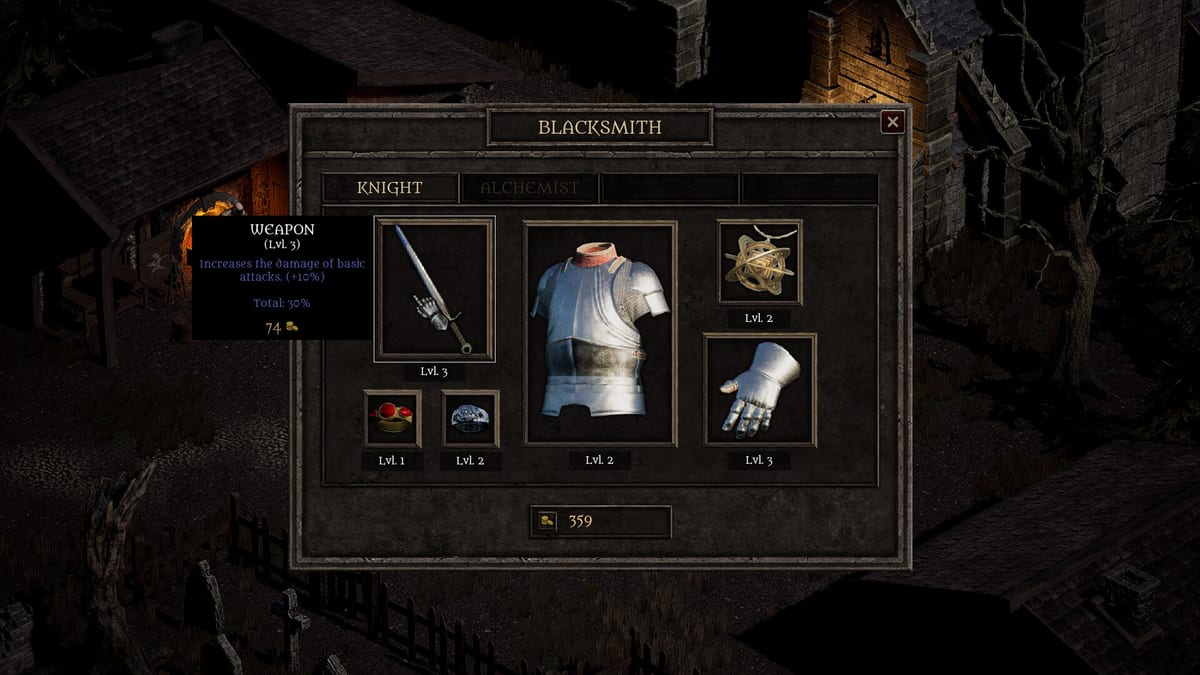
This hub collects the interactive helpers on the Miseria wiki. Somnambulist Games ships a clean idle loop—auto combat, gold into the blacksmith, then Reborn for Dark Blessings—but the Church tree still punishes vague spending. Use these tools when you are about to prestige, when a run stalls mid-descent, or when you want a second opinion before locking permanent unlocks.
Start with the Reborn planner if you only open one page. It estimates blessings from floor depth, lists Church priorities with rough costs, and keeps a checklist so you do not forget Spikes, the gold magnet, or the Blacksmith unlock between sessions.
What these tools are for
Miseria is single-player and fully offline in spirit: your party fights automatically while you decide when to bank gold, when to forge, and when to Reborn. That freedom is also where players waste the most progress. Spending every blessing on raw stats before quality-of-life upgrades can make the next dozen floors feel like a chore. Leaving the Blacksmith locked after an early Reborn forces you to re-earn crafting access that should already be permanent. The tools here exist to compress those mistakes into a short planning pause.
Use them alongside the written guides, not instead of them. Pair the planner with How to Reborn when you need the full prestige rules, with the Church upgrades tier list when you want ranked spend order, and with the early-game build when party roles and forge targets matter more than the Church tree.
Featured tool
Reborn planner
The Reborn planner is the core interactive page on this hub. Enter the deepest floor you reached this run to estimate Dark Blessings, then work down the Church checklist. Early priorities usually look like permanent Blacksmith access, Spikes or thorns for passive damage, a gold magnet so idle loops stay efficient, then Alchemist and start-of-run XP. Crit and life steal come later; raising character stat caps is powerful but expensive, so leave those nodes until your economy and party slots can actually use them.
Treat the blessing estimate as a planning aid. Community consensus often lands near one blessing per floor of depth, but patches and special floors can shift the exact dump. The checklist still helps even when the number is off by a few points, because the spend order matters more than guessing a perfect total.
How to use this hub in a normal session
- Finish a push while auto combat still clears floors at a comfortable pace.
- Note your deepest floor and open the Reborn planner.
- Mark which Church upgrades you already own, then tick the next affordable S-tier nodes.
- Confirm the plan against the Church upgrades tier list if two upgrades cost about the same.
- Reborn, spend, and restart with a clearer forge and party plan from Getting Started or the early-game build.
If you are still learning the town loop, read Getting Started before you obsess over blessing math. If you already know the loop and only need a spend order, stay here and jump straight into the planner.
Related wiki sections
Tools answer “what should I buy next?” Guides answer “how does the system work?” Builds answer “who should I field?” Tier lists answer “what is strong right now?” Keep those lanes separate so every page stays focused.
- Guides Hub — walkthroughs for first hours, Reborn timing, and floor goals
- Builds Hub — party compositions and early forge targets
- Tier List Hub — ranked Church and progression picks
- Updates Hub — launch notes and future patch trackers
- Wiki overview — map of every major section on the site
Planning habits that actually save runs
Idle games reward consistent habits more than perfect micro. Before every Reborn, write down three things: deepest floor, blessings you expect, and the single Church purchase that would make the next run less annoying. For most players that purchase is Blacksmith permanence, Spikes, or the gold magnet. After those land, Alchemist and XP-start upgrades shorten the boring part of each loop. Crit and vamp are tempting because they look like combat power, but they shine after you can already reach the floors where gear and party slots matter.
Do not dump a huge pile of blessings into stat caps just because the node is shiny. Caps are late-economy investments. If your blacksmith line is weak, if gold is still clicked by hand, or if you have not unlocked comfortable party depth, caps will feel expensive and quiet. Spend for tempo first, then for ceilings.
When not to open a tool
Skip the planner if you have not finished your first meaningful descent, if you still need the story and town tutorial, or if you are mid-fight and only need a forge tip. Tools are for decision points. For continuous learning, stay in Guides and the review overview when you want honest launch context without pretending this wiki replaces Steam discussions.
Miseria launched on Steam on 7 August 2026 at $7.99 as a single-player idle incremental. Reception started Mixed; that does not change how Reborn math works, but it does mean patch notes in Updates are worth watching. When balance shifts, return here, re-check the planner checklist, and adjust Church order before your next prestige.
Frequently Asked Questions
Quick answers to the most common questions.
Which Miseria tool should I use first?
Open the Reborn planner before your first or second prestige. It estimates Dark Blessings from floor depth and lists Church priorities so you do not waste early blessings.
Are tool estimates exact in-game values?
No. The planner is a planning aid based on common floor-to-blessing pacing. Always confirm the live Church costs and your actual blessing total in-game before you spend.
Do these tools work for multiplayer?
Miseria is single-player with no online multiplayer. The planners assume one player managing one party, one blacksmith economy, and one Church tree.