Miseria Review (2026)
A focused idle descent with sharp prestige—and pacing that will not please everyone.
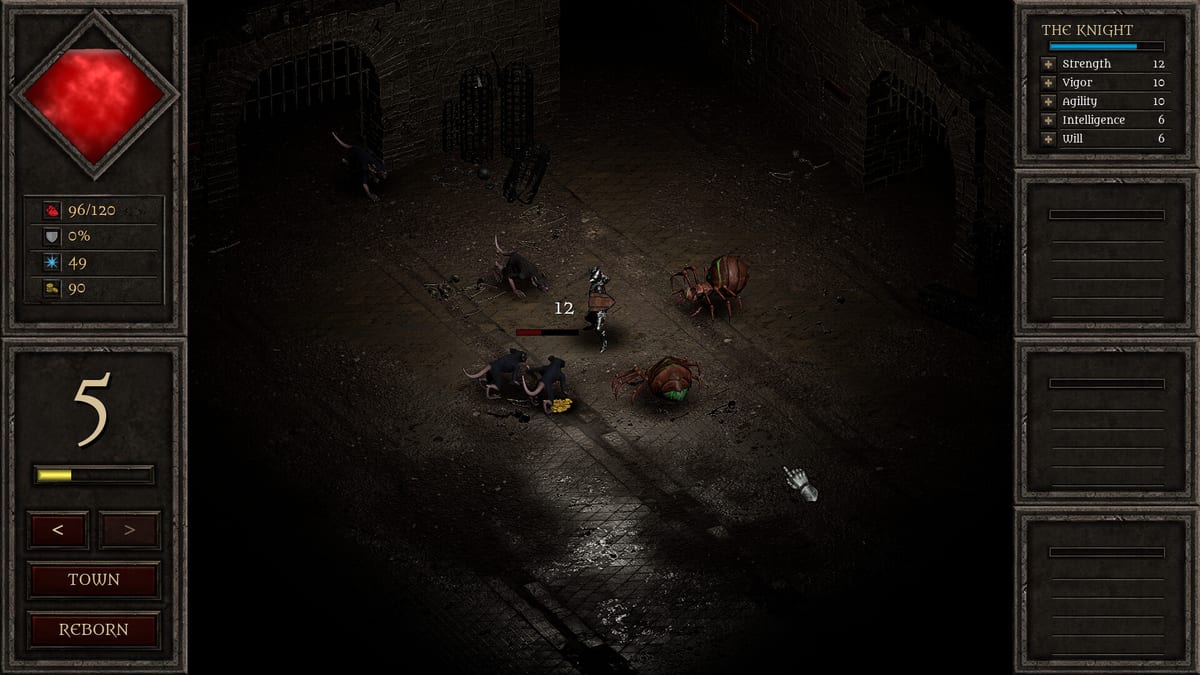
Miseria is a dark fantasy idle incremental from Somnambulist Games, released on Steam August 7, 2026 for about $7.99. You lead damned souls downward through an auto-combat abyss, forge gear at the blacksmith, then Reborn for Dark Blessings spent at the Church. The store score sits Mixed—an honest signal that the loop’s pleasures and frustrations are both real. This review explains who will click with that tension and who should wait.
The fantasy that works
When Miseria is good, it is clean. Combat runs without babysitting. Gold feeds temporary multipliers. Reborn feeds permanent ones. The Church tree—especially thorns/spikes and magnet/auto-gold QOL—creates the classic incremental dopamine of “the next run starts unfair in my favor.” Floor 19 functions as a narrative milestone that also doubles as a “are your blessings online?” gear check. Party growth from Knight to Alchemist (Strange Plant) to later slots gives the mid game a roster arc instead of pure number go-up.
If that sentence made you nod, you are the audience. Pair the game with wiki discipline—Early Game Build, Church upgrades tier list, Upgrade Priority—and Mixed-score walls become solvable systems homework.
Where friction shows
Idle prestige games live or die on timing. Reborn too late and you feel stuck; Reborn without a plan and you feel robbed. Players who dislike reading trees will bounce. Players who want constant handcrafted set pieces may find auto combat repetitive. Others want more characters sooner or denser story between floors. Mixed reviews often encode those mismatches rather than “the game fails to launch.”
Single-player only—no multiplayer—also matters for expectations. You cannot outsource a weak slot to a friend. Steam Cloud and twelve achievements round out a small, complete packaging rather than a live-service roadmap.
Systems scorecard
Combat / idle feel: Strong for the genre. Auto attacks and skills fire while you manage town decisions. Good “second monitor” energy once floors stabilize.
Progression: Clear three-layer cake—stats, blacksmith, Church. The permanent layer is the real game; temporary layers teach and express it. See Stats Explained and Blacksmith Equipment.
Party: Knight start is sturdy. Alchemist unlock via Strange Plant is the first identity shift. Later slots raise both power and gold responsibility (Party and Characters, character tier list).
Build craft: Meaningful without being spreadsheet torture if you respect thorns and economy nodes. Mid-game guidance lives in Mid Game Build.
Content vs price: At roughly eight dollars, a focused experience is acceptable. Whether your hours feel worth it depends on love of prestige loops.
Buy / wait recommendation
Buy if you enjoy idle auto-battlers, permanent trees, and optimizing Reborn cycles; you are fine with a Mixed score’s honesty; you want a dark aesthetic descent you can run while doing other work.
Wait / skip if you need multiplayer, constant narrative set pieces, or dislike prestige resets on principle; you want a huge content buffet per dollar; you rage when early runs feel slow before Church power.
Check System Requirements before purchase. Official Steam page remains authoritative for price and patches.
After you buy
Do not reinvent the wheel angrily. Open Getting Started, follow the early build, spend first blessings on S-tier Church nodes, and use the Reborn planner instead of clinging to a vanity floor number. The wiki’s Builds Hub, Items Hub, and Tier List Hub exist because Miseria rewards deliberate misers—not panic spenders.
Verdict
Miseria is a sharp little prestige machine wrapped in gloom. It will not convert people who hate idle math, and it will delight people who measure fun in cleaner Reborns. The Mixed score is a weather report, not a death sentence. Go in knowing the Church is the long game, thorns and magnet are not optional curiosities, and Floor 19 is a chapter break—not the end of the abyss.
Recommended for genre fans; situational for everyone else. Return to the Review Hub for specs and related buyer pages.
Frequently Asked Questions
Quick answers to the most common questions.
Is Miseria worth buying at Mixed reviews?
Yes if you like idle prestige loops and permanent upgrade trees. Wait if you dislike Reborn resets or want multiplayer and constant story set pieces.
Does Miseria have multiplayer?
No. It is single-player only, with Steam Cloud for saves and 12 achievements.
What is the core gameplay loop?
Auto combat descent, spend gold at the blacksmith, Reborn for Dark Blessings, and buy permanent Church upgrades before descending again.
Which upgrades feel strongest?
Church thorns/spikes and magnet/auto-gold QOL are standout permanent investments for most progression plans.
When was Miseria released and who made it?
Somnambulist Games released Miseria on Steam on August 7, 2026, typically listed around $7.99 USD.
Where should I go after reading this review?
If you buy it, start with Getting Started and Early Game Build; use the Church upgrades tier list for first Dark Blessings.